Latest News & Tips

Resources to keep you informed

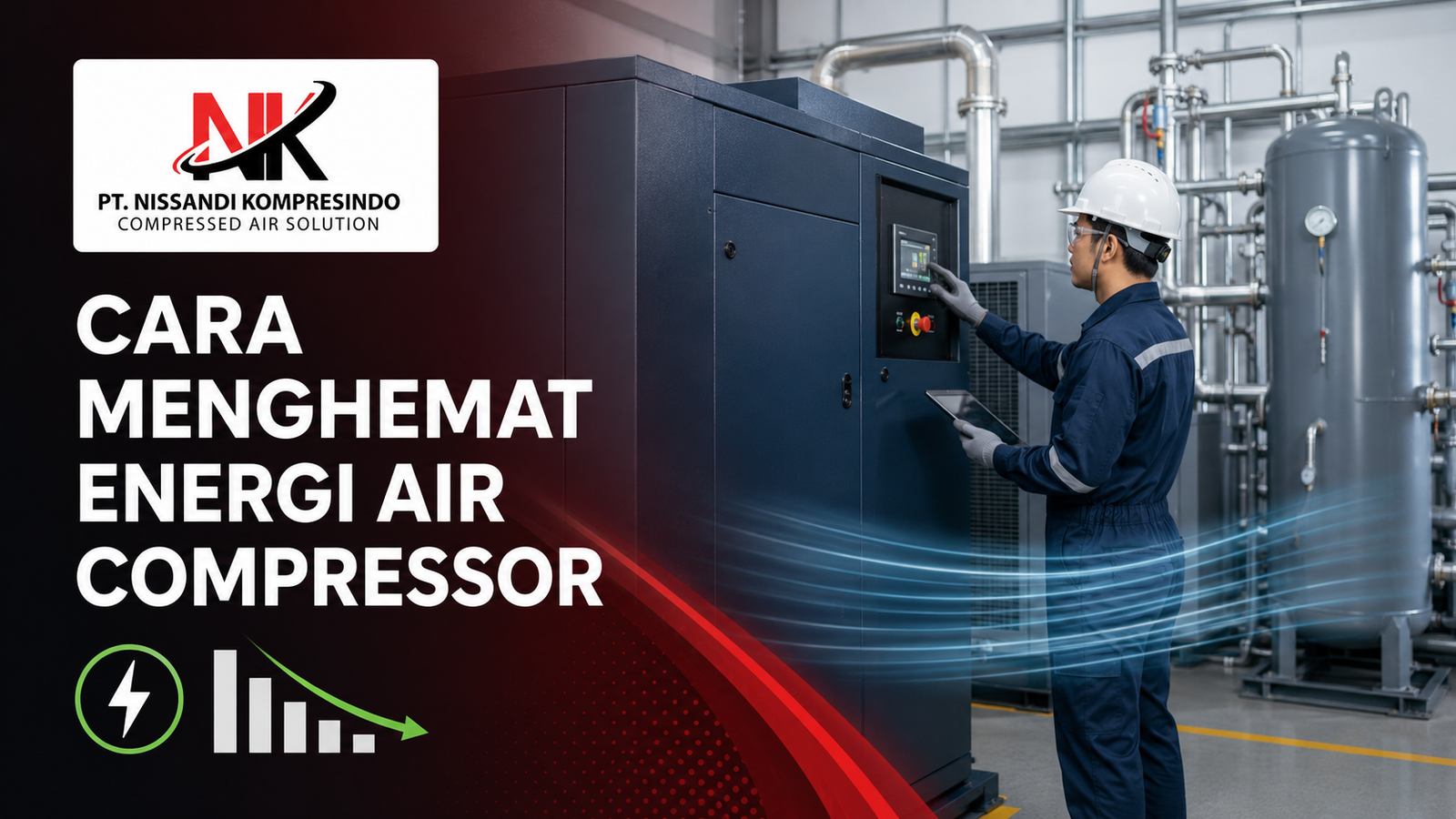
How to Reduce Energy Costs with an Efficient Air Compressor System

In today’s competitive industrial environment, controlling operational expenses is essential for maintaining profitability. One of the most effective ways to reduce energy consumption is by optimizing the performance of your compressed air system. Since air compressors can account for a significant portion of industrial electricity usage, improving air compressor energy efficiency can lead to substantial cost savings over time.

Pada PT. Nissandi Kompresindo, we understand the importance of maintaining efficient compressed air systems. Below are several key factors that can help businesses reduce energy costs while maximizing compressor performance.

1. Prevent Air Leaks in the Compressed Air System

Air leaks are among the most common causes of energy waste in industrial facilities. Even small leaks can result in a considerable loss of compressed air, forcing the compressor to work harder and consume more electricity.

Common areas where leaks occur include:

  • Pipe connections
  • Air hoses
  • Fittings and couplings
  • Valves and regulators
  • Pneumatic equipment

Regular inspections and immediate repairs can significantly improve system efficiency and reduce unnecessary energy consumption.

2. Avoid Excessive Operating Pressure

Many facilities operate their air compressors at higher pressures than actually required. While this may seem beneficial, excessive pressure increases power consumption and places additional stress on system components.

For every increase in operating pressure, the compressor requires more energy to produce compressed air. Reviewing your production requirements and setting the compressor to the appropriate pressure level can help lower electricity costs and extend equipment lifespan.

3. Implement a Preventive Maintenance Schedule

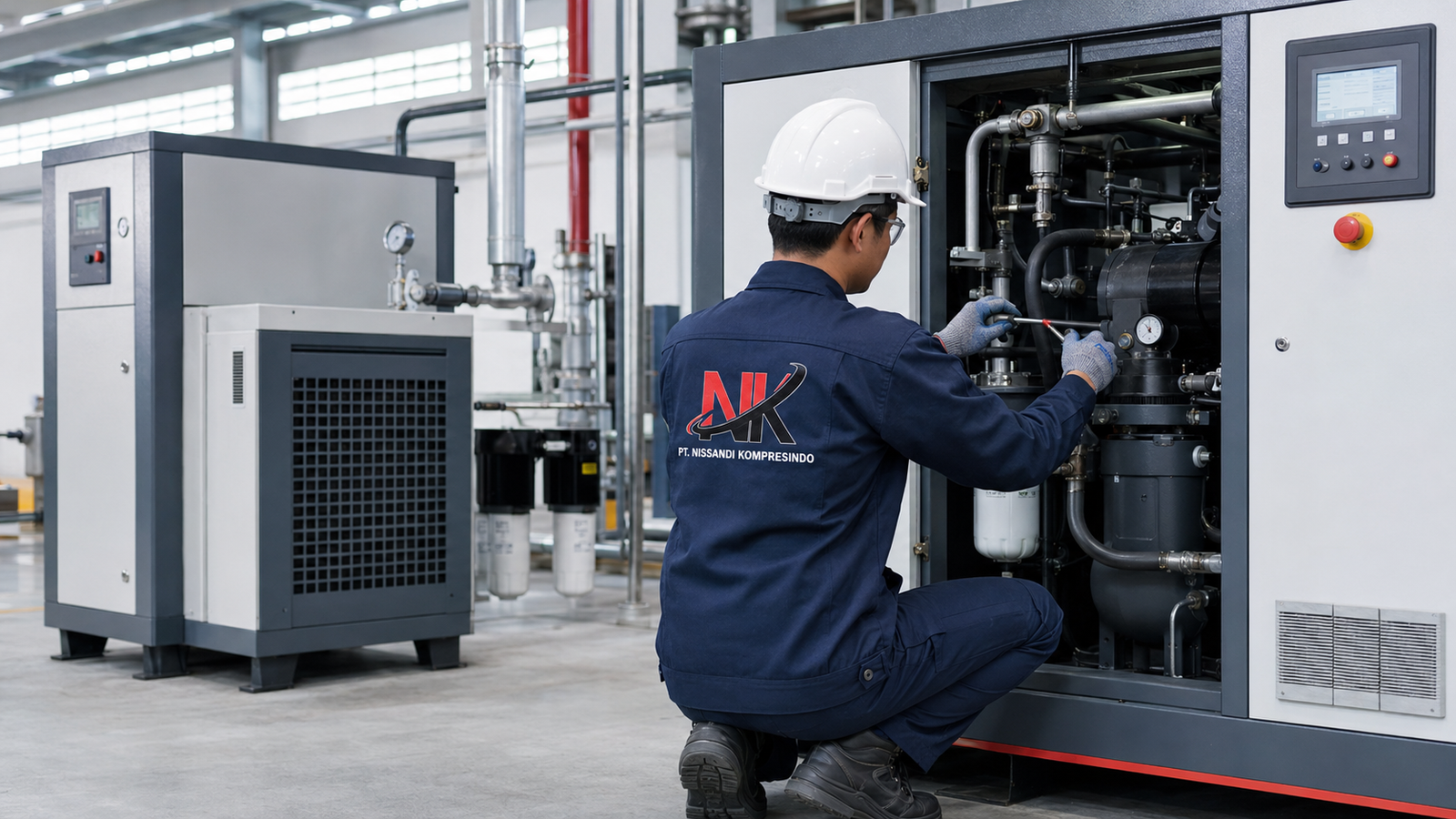
A well-planned preventive maintenance program is essential for ensuring optimal compressor performance. Neglecting routine maintenance can lead to reduced efficiency, unexpected breakdowns, and higher operating costs.

Preventive maintenance activities should include:

  • Checking oil levels and quality
  • Inspecting belts and hoses
  • Monitoring system pressure
  • Cleaning cooling components
  • Verifying proper compressor operation

Regular maintenance not only improves reliability but also helps maintain peak energy efficiency.

4. Replace Air Filters on Time

Dirty or clogged air filters restrict airflow and force the compressor to work harder to achieve the required pressure. This increased workload results in higher energy consumption and can negatively affect overall system performance.

Replacing air filters according to the manufacturer’s recommendations helps:

  • Improve airflow efficiency
  • Reduce energy usage
  • Protect internal compressor components
  • Maintain consistent air quality

A simple filter replacement can have a significant impact on the efficiency of your compressed air system.

5. Monitor Electricity Consumption Regularly

Monitoring energy usage is one of the most effective ways to identify inefficiencies within a compressed air system. By tracking electricity consumption, businesses can quickly detect unusual increases that may indicate leaks, pressure issues, or equipment problems.

Key metrics to monitor include:

  • Power consumption (kWh)
  • Operating hours
  • Air pressure levels
  • Compressor load and unload cycles

Implementing energy monitoring practices allows companies to make data-driven decisions that improve efficiency and reduce operational costs.

Conclusion

Improving air compressor energy efficiency is not only about reducing electricity bills—it is also about increasing equipment reliability, minimizing downtime, and extending the lifespan of critical industrial assets.

By preventing air leaks, optimizing operating pressure, following a preventive maintenance schedule, replacing filters regularly, and monitoring energy consumption, businesses can achieve significant long-term savings and improve overall operational performance.

PT. Nissandi Kompresindo is committed to providing reliable compressed air solutions, professional maintenance services, and technical support to help industries maximize efficiency and productivity.

PT. Nissandi Kompresindo – Reliable Compressed Air Solutions for Better Industrial Performance.

5 Signs Your Industrial Air Compressor Needs Immediate Maintenance

Industrial air compressors play a crucial role in maintaining productivity and operational efficiency in various industries. However, without proper maintenance, compressor systems can experience unexpected breakdowns that may disrupt production activities and increase operational costs.

Understanding the early warning signs of compressor problems can help companies prevent serious damage and extend equipment lifespan.

1. Unusual Noise During Operation

One of the most common signs of compressor issues is unusual noise. Loud knocking, rattling, or vibrating sounds may indicate loose components, worn bearings, or internal mechanical problems.

Routine inspection and servicing can help identify these issues before they become more severe.

2. Decreased Air Pressure

If your compressor is unable to maintain stable air pressure, it may affect the performance of pneumatic equipment and production systems.

This condition is often caused by air leaks, clogged filters, or failing compressor components.

3. Peningkatan Konsumsi Energi

A poorly maintained compressor typically consumes more electricity than usual. Dirty filters, oil contamination, and inefficient operation force the machine to work harder.

Regular preventive maintenance helps improve energy efficiency and reduce operational costs.

4. Excessive Moisture in the System

Moisture buildup in compressed air lines can damage equipment and affect product quality. This issue may occur due to malfunctioning dryers or inadequate maintenance procedures.

Checking the air treatment system regularly is essential for maintaining optimal compressor performance.

5. Frequent Overheating

Overheating is a serious warning sign that should never be ignored. Poor ventilation, dirty coolers, or insufficient lubrication can cause compressor temperatures to rise significantly.

Immediate maintenance is necessary to avoid permanent damage to the machine.

Conclusion

Preventive maintenance is essential to ensure industrial air compressors operate efficiently and reliably. By recognizing these warning signs early, companies can minimize downtime, improve productivity, and extend equipment lifespan.

PT. Nissandi Kompresindo provides professional air compressor maintenance, spare parts, and compressed air solutions for various industrial needs.

preventive maintenance industrial air compressor

Why Preventive Maintenance Is Important for Industrial Air Compressors

Industrial air compressors play an important role in supporting manufacturing and production activities across various industries. From automotive and food processing to construction and pharmaceuticals, a stable compressed air system is essential for maintaining productivity and operational efficiency.

However, many companies only perform repairs after a machine problem occurs. This reactive approach often leads to unexpected downtime, decreased productivity, and higher repair costs. That is why preventive maintenance is highly recommended for industrial air compressor systems.

What Is Preventive Maintenance?

Preventive maintenance is a routine inspection and servicing process performed regularly to keep the compressor operating in optimal condition. The purpose is to identify potential issues before they develop into serious damage that can interrupt production activities.

Routine maintenance usually includes checking air filters, oil levels, pressure systems, cooling systems, belts, hoses, and electrical components.

Benefits of Preventive Maintenance for Industrial Air Compressors

1. Reduce Unexpected Downtime

Unexpected compressor failure can stop an entire production line and cause significant operational losses. Regular maintenance helps detect worn components or abnormal system conditions early before they become major problems.

With scheduled inspections, companies can minimize production interruptions and maintain stable operational performance.

2. Extend Equipment Lifespan

Industrial air compressors are valuable long-term investments. Proper maintenance helps reduce excessive wear on critical components and ensures the machine operates within recommended parameters.

Routine servicing can significantly extend the lifespan of the compressor and delay costly equipment replacement.

3. Improve Energy Efficiency

A poorly maintained compressor often consumes more electricity due to clogged filters, air leaks, or unstable pressure systems. Since air compressors are among the largest energy-consuming equipment in industrial facilities, inefficiency can increase operational costs substantially.

Preventive maintenance helps maintain optimal performance and improve overall energy efficiency.

4. Maintain Stable Air Pressure

Consistent air pressure is critical for many industrial applications. Pressure fluctuations can affect production quality, machine performance, and pneumatic equipment reliability.

Routine maintenance ensures the compressor system can deliver stable and reliable compressed air according to operational requirements.

5. Reduce Major Repair Costs

Small issues such as dirty filters or loose connections may seem insignificant at first, but if ignored, they can lead to serious mechanical failures.

Preventive maintenance helps identify minor problems early, reducing the risk of expensive emergency repairs and component replacement.

Common Maintenance Activities

Some common preventive maintenance procedures for industrial air compressors include:

  • Cleaning or replacing air filters
  • Checking compressor oil levels and quality
  • Inspecting hoses and piping systems
  • Checking pressure and temperature levels
  • Inspecting electrical connections
  • Draining moisture from air tanks
  • Checking belts and motor conditions

These inspections should be performed regularly based on machine operating hours and manufacturer recommendations.

Why Professional Compressor Service Matters

Industrial compressor systems require proper technical knowledge and experience to ensure accurate inspection and maintenance procedures. Professional compressor technicians can help identify hidden issues, optimize system performance, and recommend suitable maintenance schedules for your operational needs.

Working with experienced compressor service providers also helps ensure your equipment remains reliable, efficient, and compliant with industrial safety standards.

Conclusion

Preventive maintenance is not only about avoiding machine breakdowns but also about protecting productivity, improving efficiency, and reducing long-term operational costs. Regular maintenance allows industrial air compressors to operate more reliably and efficiently while supporting uninterrupted production activities.

If your company relies heavily on compressed air systems, implementing a proper preventive maintenance program is a smart investment for long-term operational success.

Why Regular Air Compressor Maintenance Is Essential for Industrial Efficiency

PT Nissandi Kompresindo – In industrial operations, air compressors play a vital role in ensuring smooth and efficient processes. From powering machinery to supporting production lines, a reliable compressed air system is essential for daily operations.

However, many businesses overlook one critical factor: regular maintenance. Without proper maintenance, even the best air compressor systems can experience reduced performance, higher energy consumption, and unexpected breakdowns.


The Importance of Routine Maintenance

Routine maintenance is not just about fixing problems—it is about preventing them. Regular inspections and servicing help identify potential issues early before they turn into costly failures.

A well-maintained air compressor system can:

  • Operate more efficiently
  • Consume less energy
  • Reduce the risk of downtime
  • Extend overall equipment lifespan

Common Problems Caused by Poor Maintenance

Neglecting maintenance can lead to several operational issues, such as:

  • Overheating due to dirty cooling systems
  • Pressure drops caused by clogged filters
  • Increased energy usage from air leaks
  • Component wear from poor lubrication

These issues not only affect productivity but also increase operational costs over time.


Key Maintenance Practices to Follow

To ensure optimal performance, businesses should implement the following maintenance practices:

1. Regular Filter Replacement

Dirty filters restrict airflow and force the compressor to work harder. Replacing filters on schedule helps maintain efficiency.

2. Oil Monitoring and Replacement

Lubrication is essential for reducing friction and preventing damage. Always check oil levels and quality regularly.

3. Leak Detection and Repair

Air leaks can significantly reduce system efficiency. Routine inspections help identify and fix leaks early.

4. Cooling System Cleaning

Dust and debris can block cooling components, causing overheating. Keeping the system clean ensures stable operation.


Improving Efficiency Through Professional Support

While basic maintenance can be handled internally, professional servicing ensures a deeper level of inspection and care.

PT Nissandi Kompresindo provides:

  • Scheduled maintenance services
  • System inspections and diagnostics
  • Suku cadang asli
  • Expert technical support

With professional assistance, businesses can maintain peak performance and avoid costly downtime.


Long-Term Impact on Business Operations

Investing in regular maintenance offers long-term benefits, including:

  • Lower operational costs
  • Increased equipment reliability
  • Improved productivity
  • Longer equipment lifespan

A proactive maintenance strategy is always more cost-effective than reactive repairs.


Conclusion

Regular air compressor maintenance is essential for ensuring industrial efficiency and reliability. By implementing proper maintenance practices and working with experienced professionals, businesses can protect their investment and maintain consistent performance.


Hubungi PT Nissandi Kompresindo

📍 Komp. TCI Jl. Jend. A Yani I-6 No.03, Sukmajaya, Jombang, Cilegon, Banten 42416
📞 Phone: +62 254 396 959
📧 Email: info@ptnk.co.id


Ensure your air compressor operates at peak performance—partner with the right maintenance expert today.

How to Extend the Lifespan of Your Air Compressor System

PT Nissandi Kompresindo – An air compressor system is a long-term investment for any industrial operation. Whether used in manufacturing plants, construction projects, or automotive facilities, air compressors are expected to operate reliably for years. However, without proper care, their lifespan can be significantly shortened, leading to higher operational costs and frequent downtime.

By applying the right operational practices and maintenance strategies, businesses can extend the lifespan of their air compressor systems and maintain consistent performance. PT Nissandi Kompresindo supports industrial clients in Indonesia by providing reliable air compressor solutions, maintenance services, and technical expertise.

1. Use the Air Compressor Within Its Designed Capacity

One of the most common causes of premature compressor failure is operating the machine beyond its intended capacity. Overloading forces the compressor to work harder, increasing wear on internal components.

To prevent this:

  • Ensure the compressor is properly sized for your application

  • Avoid continuous operation beyond recommended limits

  • Match air demand with compressor output

Proper sizing and usage reduce stress on the system and improve long-term reliability.

2. Perform Regular Preventive Maintenance

Preventive maintenance is the foundation of long equipment life. Regular inspections help detect minor issues before they develop into serious problems.

Key maintenance tasks include:

  • Replacing air and oil filters

  • Checking oil level and quality

  • Inspecting belts, hoses, and fittings

  • Cleaning cooling systems

PT Nissandi Kompresindo offers professional maintenance services that help ensure these tasks are performed correctly and consistently.

3. Maintain Proper Air Quality

Compressed air quality directly affects both the compressor and downstream equipment. Dust, moisture, and contaminants can damage internal components and reduce efficiency.

Using proper air treatment systems, such as filters and dryers, helps protect the compressor and maintain clean airflow throughout the system.

4. Monitor Operating Temperature and Cooling Systems

Excessive heat is one of the main factors that reduce air compressor lifespan. Poor ventilation or dirty cooling components can cause overheating.

To manage temperature:

  • Ensure adequate ventilation around the compressor

  • Keep cooling fans and radiators clean

  • Monitor operating temperature regularly

Maintaining proper cooling prevents overheating-related damage.

5. Address Air Leaks Promptly

Air leaks force compressors to run longer and harder to maintain pressure, increasing wear and energy consumption. Even small leaks can have a significant impact over time.

Routine inspections and timely repairs help reduce unnecessary workload and extend equipment life.

6. Use Genuine Spare Parts and Professional Service

Using non-genuine spare parts may appear cost-effective, but it often leads to compatibility issues and faster wear. Genuine parts are designed to meet manufacturer specifications and ensure reliable operation.

As an authorized sales center for Sollant Air Compressors in Indonesia, PT Nissandi Kompresindo provides access to proper equipment support and professional servicing.

7. Train Operators on Proper Usage

Operator behavior plays an important role in equipment lifespan. Improper startup, shutdown, or misuse can cause unnecessary stress on the system.

Basic operator training helps ensure compressors are used correctly and consistently.

Long-Term Benefits of Extending Compressor Lifespan

Extending the lifespan of an air compressor system provides multiple benefits:

  • Lower maintenance and replacement costs

  • Reduced downtime

  • Peningkatan efisiensi energi

  • Pengembalian investasi yang lebih baik

With proper care, air compressors can deliver reliable performance for many years.

Supporting Long-Term Performance with the Right Partner

Extending air compressor lifespan requires the right combination of equipment, maintenance, and expertise. PT Nissandi Kompresindo is committed to helping industrial businesses across Indonesia maintain reliable and efficient compressed air systems.

Through professional consultation, maintenance services, and dependable support, PT Nissandi Kompresindo helps protect your equipment investment.

Hubungi PT Nissandi Kompresindo
Komp. TCI Jl. Jend. A Yani I-6 No.03, Sukmajaya, Jombang, Cilegon, Banten 42416
Phone: +62 254 396 959
Email: info@ptnk.co.id

Tanda-Tanda Kompresor Udara Industri Anda Membutuhkan Servis Profesional

PT Nissandi Kompresindo – Kompresor udara merupakan aset penting di lingkungan industri, mendukung lini produksi, peralatan pneumatik, dan berbagai sistem operasional. Karena mesin-mesin ini sering beroperasi terus menerus, kondisinya secara langsung memengaruhi produktivitas dan stabilitas operasional. Sayangnya, banyak bisnis hanya mencari layanan profesional setelah terjadi kerusakan besar.

Mengenali tanda-tanda peringatan dini dapat membantu mencegah waktu henti yang tidak terduga dan perbaikan yang mahal. PT Nissandi Kompresindo mendukung klien industri di Indonesia dengan menyediakan layanan dan perawatan kompresor udara profesional untuk menjaga agar operasional berjalan efisien.

1. Sering Terjadi Penurunan Tekanan Udara

Salah satu indikator paling awal bahwa kompresor udara perlu diservis adalah tekanan udara yang tidak konsisten atau berkurang. Masalah ini dapat mengganggu peralatan dan mesin yang bergantung pada aliran udara yang stabil.

Penyebab umum meliputi:

  • Filter udara tersumbat

  • Kebocoran udara pada selang atau pipa

  • Komponen internal yang aus

Inspeksi profesional membantu mengidentifikasi akar penyebab dan mengembalikan tingkat tekanan yang optimal.

2. Suara atau Getaran yang Tidak Biasa

Kompresor udara dirancang untuk beroperasi dengan tingkat suara dan getaran yang relatif stabil. Ketika terjadi kebisingan abnormal atau getaran berlebihan, hal itu sering kali menandakan adanya masalah mekanis.

Kemungkinan penyebabnya meliputi:

  • Komponen yang terpisah

  • Bantalan yang aus

  • Bagian bergerak yang tidak seimbang

Mengabaikan tanda-tanda ini dapat menyebabkan kerusakan mekanis yang lebih serius.

3. Peningkatan Konsumsi Energi

Peningkatan penggunaan listrik secara tiba-tiba tanpa peningkatan output produksi sering kali mengindikasikan inefisiensi kompresor. Filter yang kotor, pelumasan yang buruk, dan masalah pendinginan memaksa kompresor untuk bekerja lebih keras, sehingga meningkatkan konsumsi energi.

Servis profesional membantu mengembalikan efisiensi dan mengurangi penggunaan daya yang tidak perlu.

4. Panas Berlebihan Selama Pengoperasian

Panas berlebih adalah masalah serius yang dapat memperpendek masa pakai kompresor. Penyebab umum meliputi:

  • Ventilasi buruk

  • Sistem pendingin tersumbat

  • Kualitas minyak rendah atau menurun

Jika panas berlebih sering terjadi, diperlukan servis profesional untuk mencegah kerusakan permanen.

5. Kelembapan Berlebihan pada Sistem Udara

Penumpukan uap air dalam sistem udara bertekanan dapat merusak peralatan, memengaruhi kualitas produk, dan menyebabkan korosi. Hal ini sering kali mengindikasikan masalah pada pengering udara, sistem drainase, atau komponen internal.

Servis rutin memastikan sistem pengolahan udara berfungsi dengan benar dan risiko yang terkait dengan kelembapan diminimalkan.

6. Sering Terjadi Kerusakan atau Perbaikan Darurat

Jika kompresor udara memerlukan perbaikan darurat berulang kali, itu adalah tanda jelas bahwa perawatan rutin sudah terlambat. Perawatan reaktif seringkali mengakibatkan biaya lebih tinggi dan waktu henti yang lebih lama.

Servis profesional terjadwal membantu menstabilkan kinerja dan mengurangi kegagalan yang tidak terduga.

Mengapa Servis Profesional Itu Penting?

Servis kompresor udara profesional lebih dari sekadar inspeksi dasar. Servis ini memastikan:

  • Deteksi dini potensi masalah

  • Tekanan udara dan aliran udara yang stabil

  • Peningkatan efisiensi energi

  • Mengurangi waktu henti dan biaya perbaikan

PT Nissandi Kompresindo menyediakan layanan yang ditangani oleh teknisi berpengalaman yang mengikuti standar perawatan yang tepat.

Dukungan Layanan di Seluruh Sektor Industri

PT Nissandi Kompresindo menyediakan layanan servis profesional untuk kompresor udara yang digunakan di:

  • Fasilitas manufaktur

  • Lokasi konstruksi

  • Bengkel otomotif

  • Proyek infrastruktur

  • Pabrik pengolahan dan produksi

Program perawatan dapat disesuaikan berdasarkan kondisi pengoperasian dan tingkat penggunaan.

Melindungi Operasi Anda dengan Servis Tepat Waktu

Mengabaikan tanda-tanda peringatan dini dapat menyebabkan waktu henti yang mahal dan kegagalan peralatan. Servis profesional tepat waktu membantu menjaga kinerja yang andal dan melindungi investasi jangka panjang.

PT Nissandi Kompresindo berkomitmen untuk mendukung operasional industri di seluruh Indonesia dengan solusi servis dan perawatan kompresor udara yang dapat diandalkan.

Hubungi PT Nissandi Kompresindo
Komp. TCI Jl. Jend. A Yani I-6 No.03, Sukmajaya, Jombang, Cilegon, Banten 42416
Phone: +62 254 396 959
Email: info@ptnk.co.id