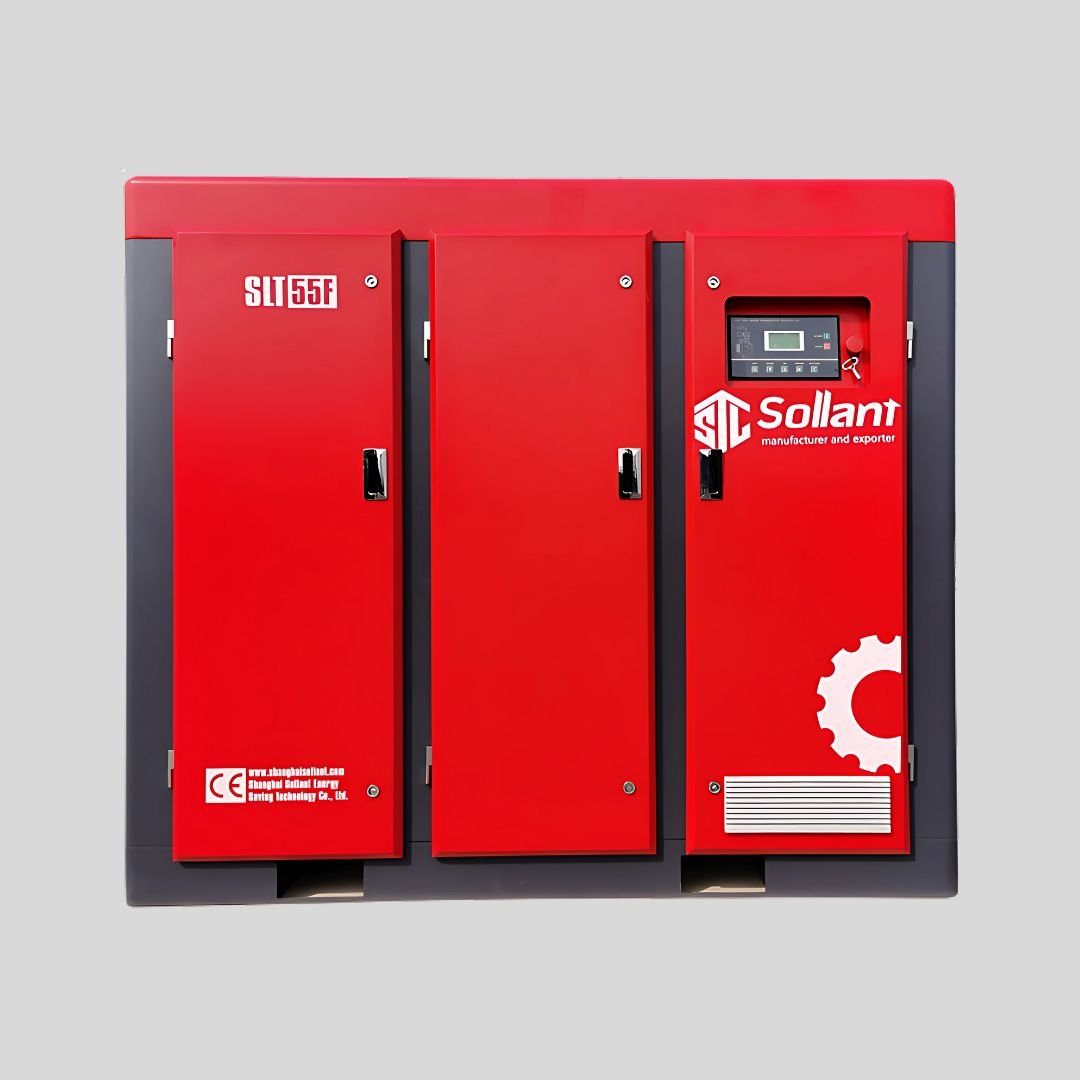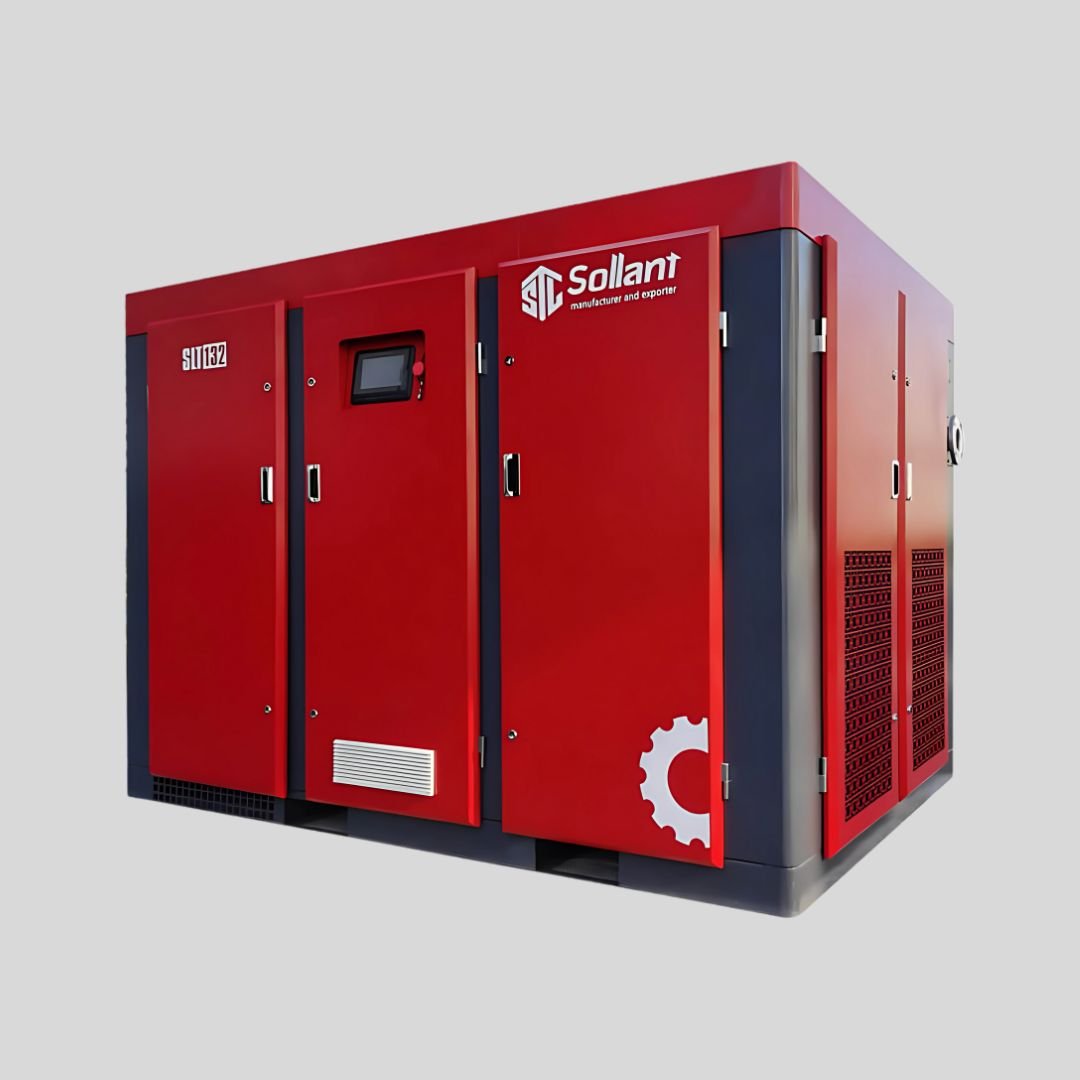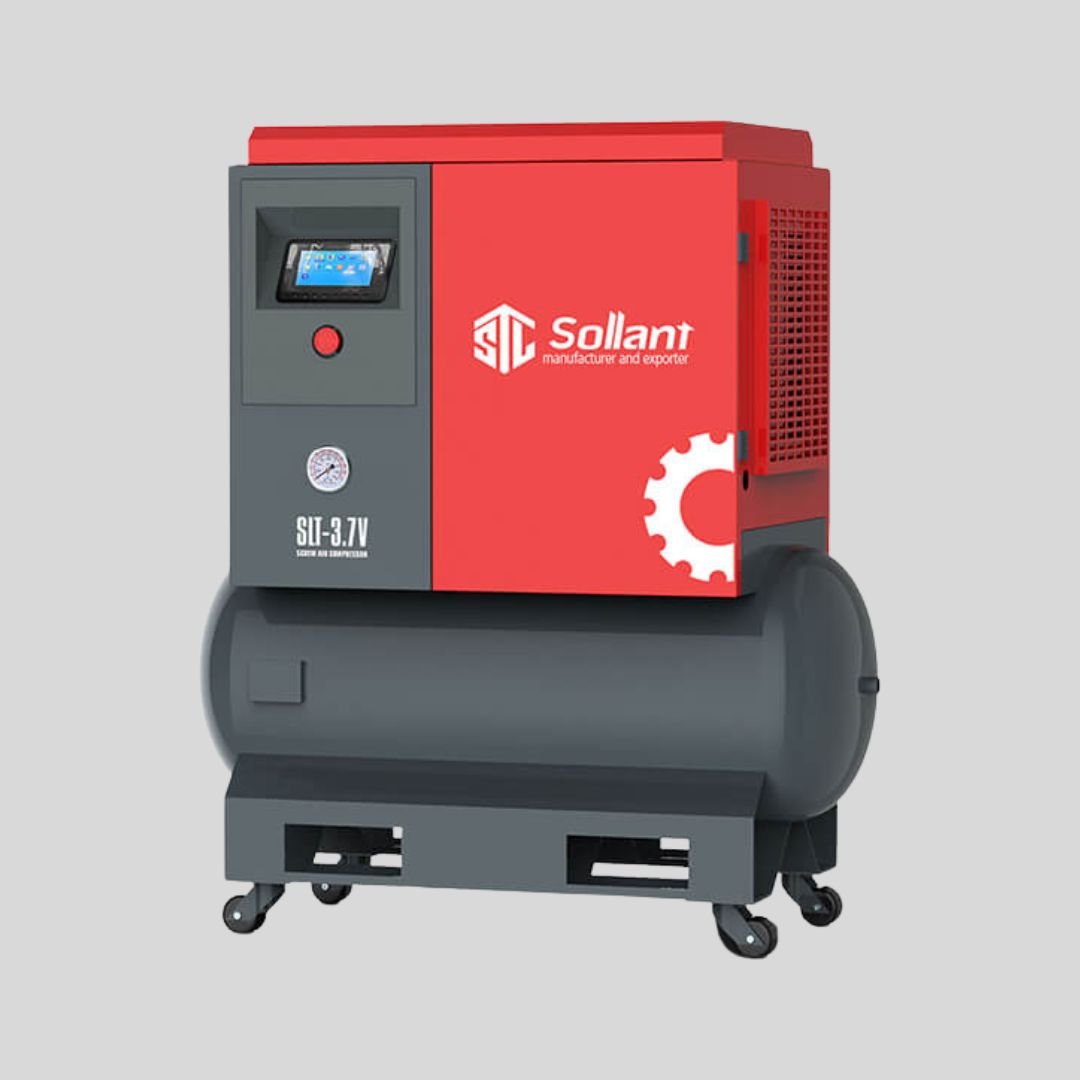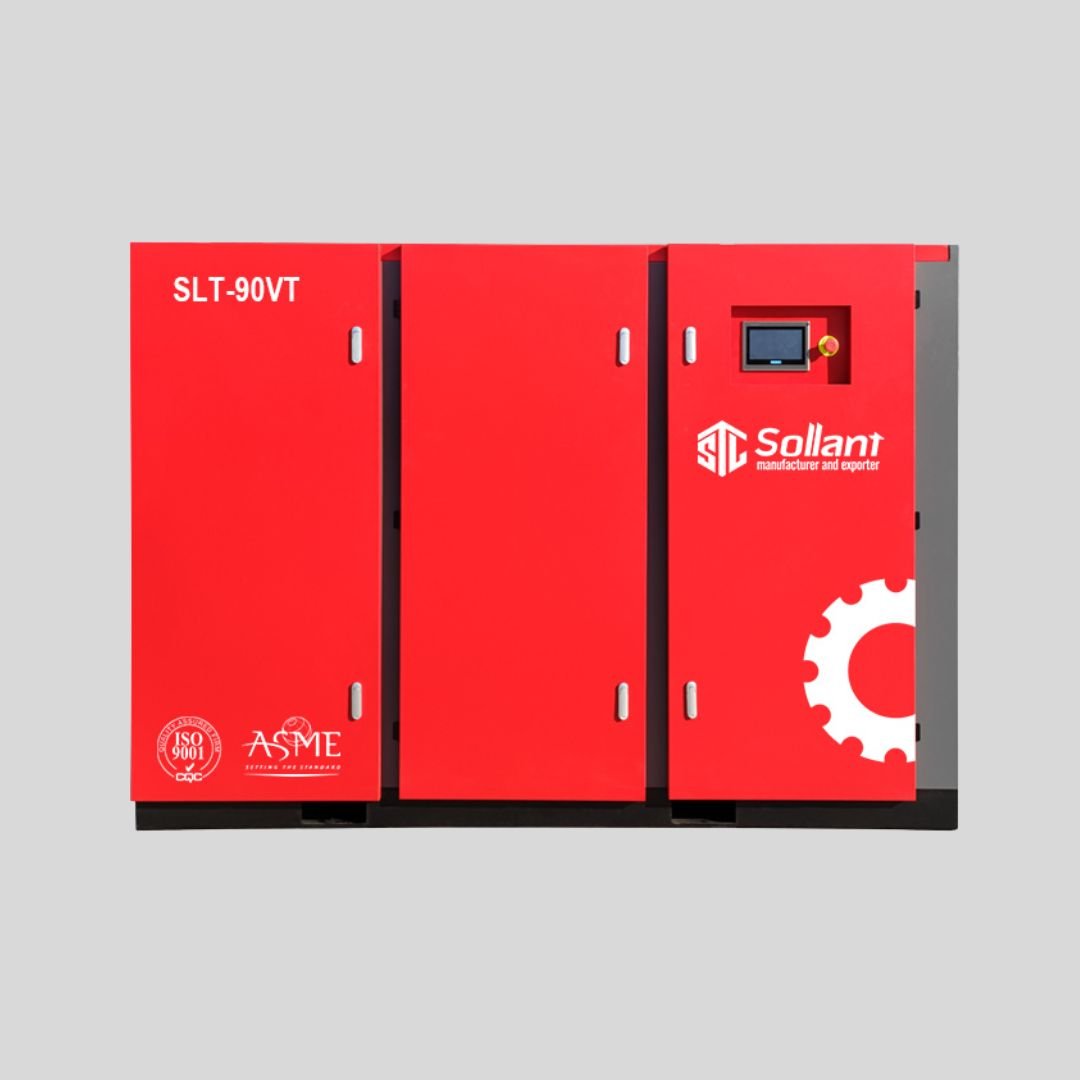
Welcome To The Official Website Of
PT Nissandi Kompresindo

Elevate your operational efficiency with comprehensive compressed air solutions from PT Nissandi Kompresindo. From supplying quality spare parts to reliable after-sales service, we are your trusted partner for optimal and sustainable compressor performance.

PT Nissandi Kompresindo

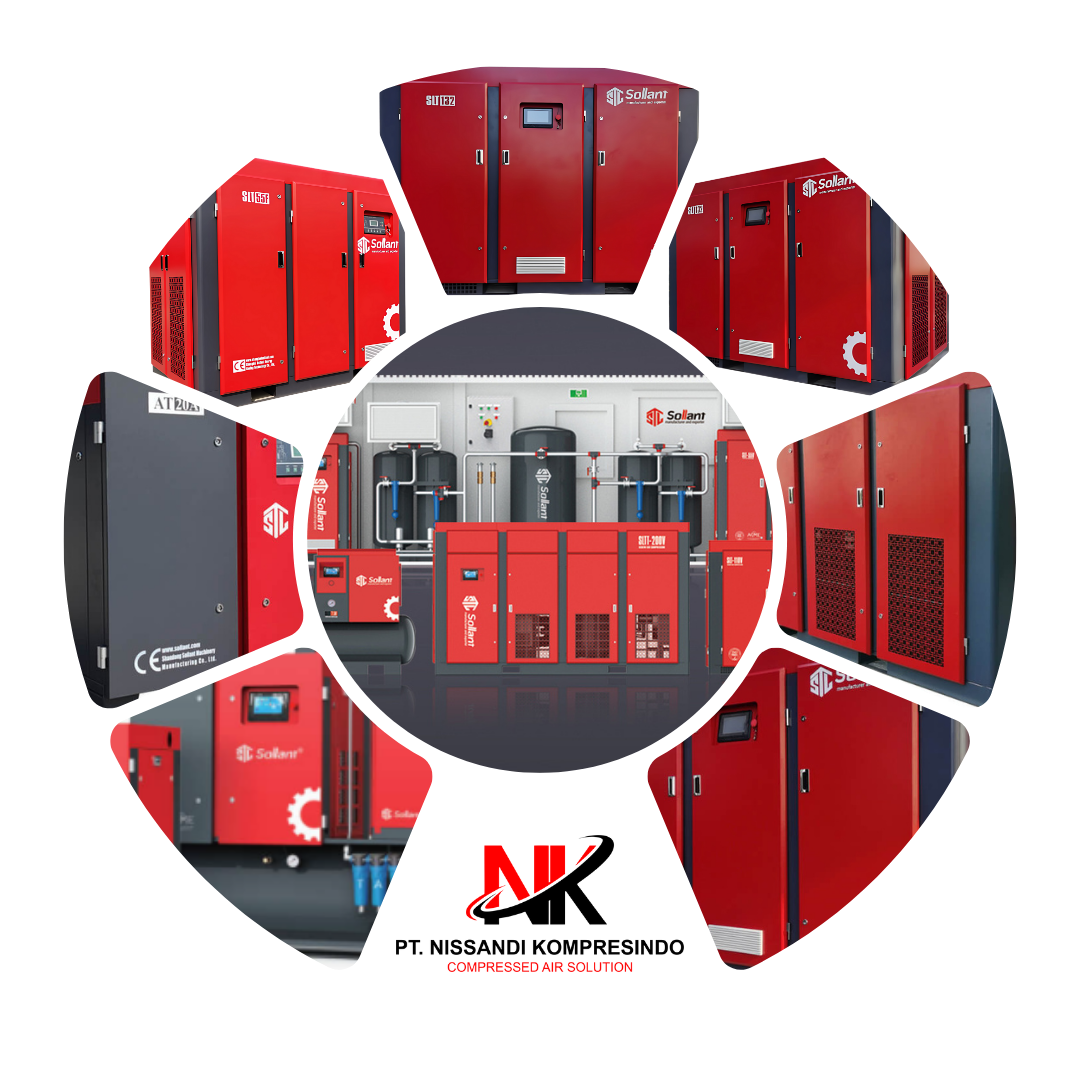
PT Nissandi Kompresindo is a private company that provides parts and services for all brands of air compressors. Since 2012, with experienced and competence engineers, PT Nissandi Kompressindo has been serving multi sectors of industry and completed the job with satisfied customers as our main purpose.

Call Support Center

+62254 396 959

Explore Our Range of Services

Explore Customer Favorites

Fixed Speed air compressor

Variable Speed air compressor

Single Phase Rotary Screw Air Compressor

Energy-Saving Two- Stage Air Compressor

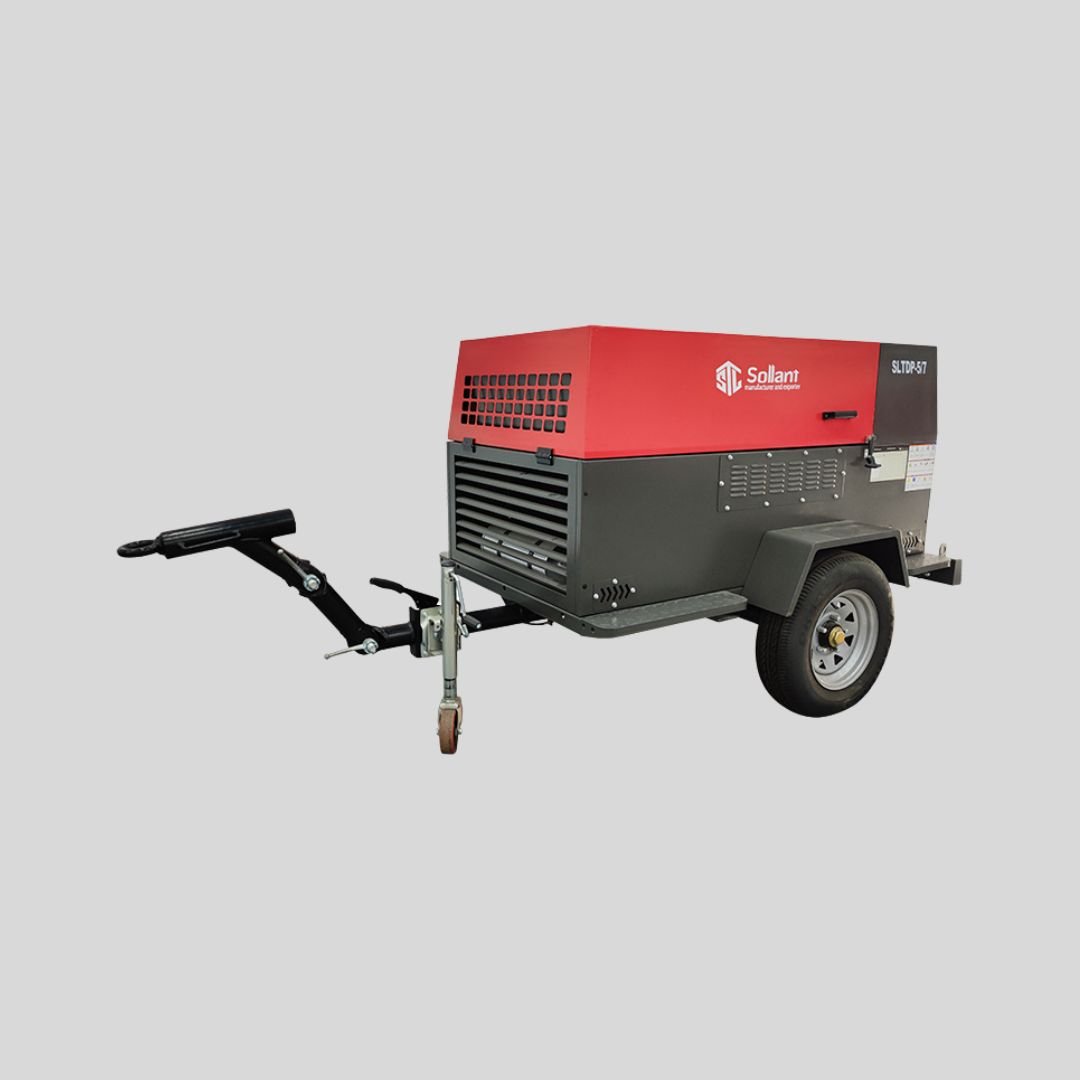
Portable Diesel Air Compressor

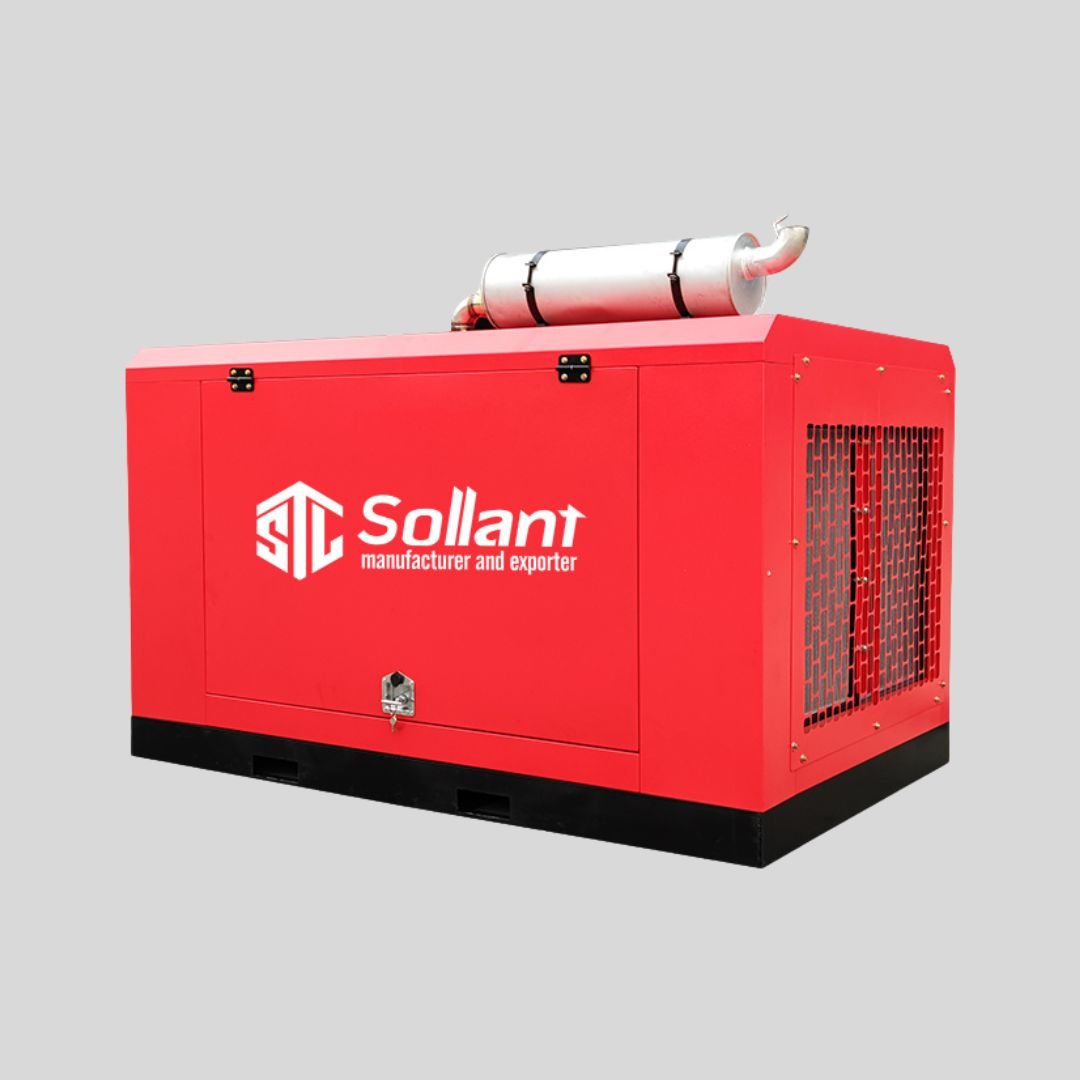
Stationary Diesel Air Compressor

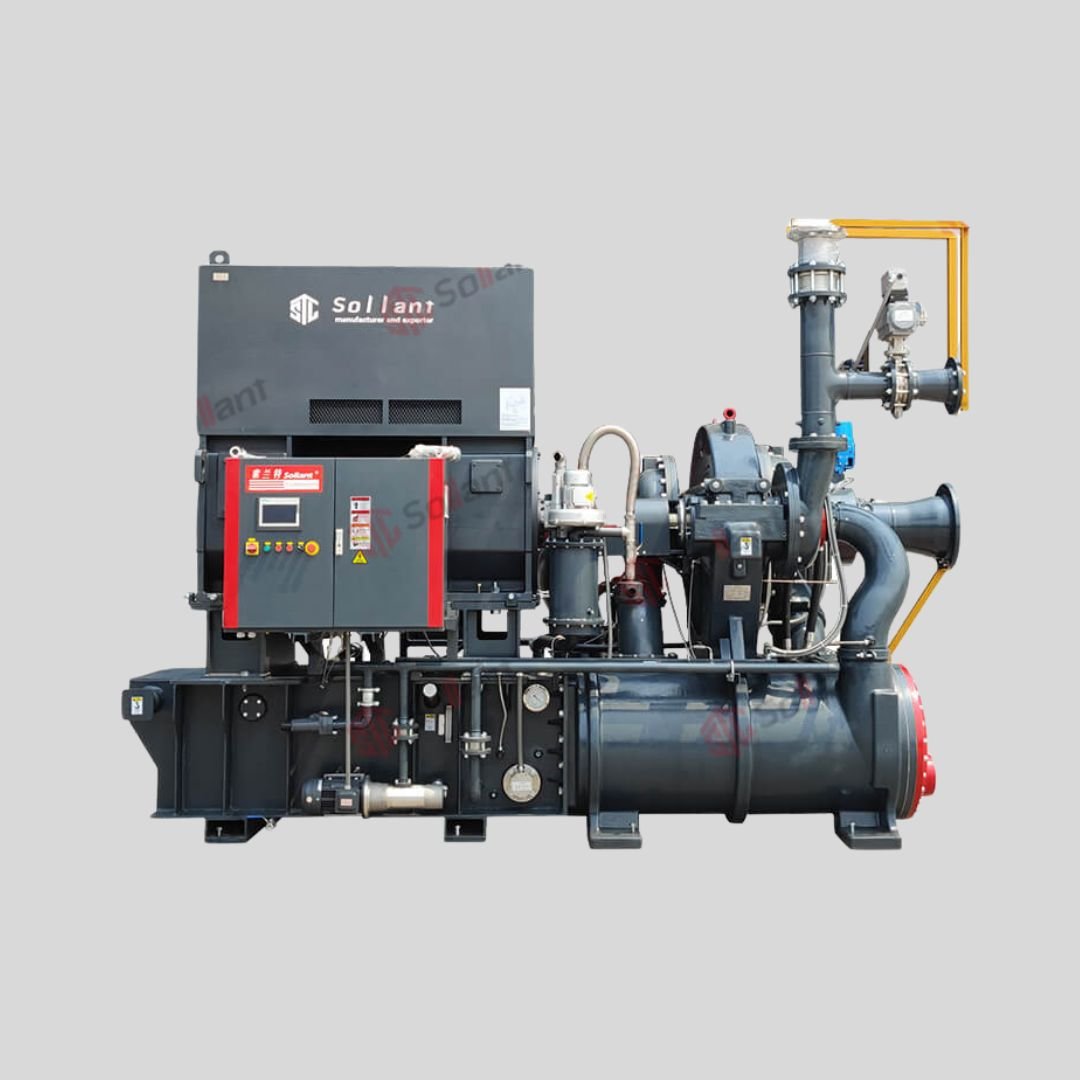
Centrifugal Air Compressor

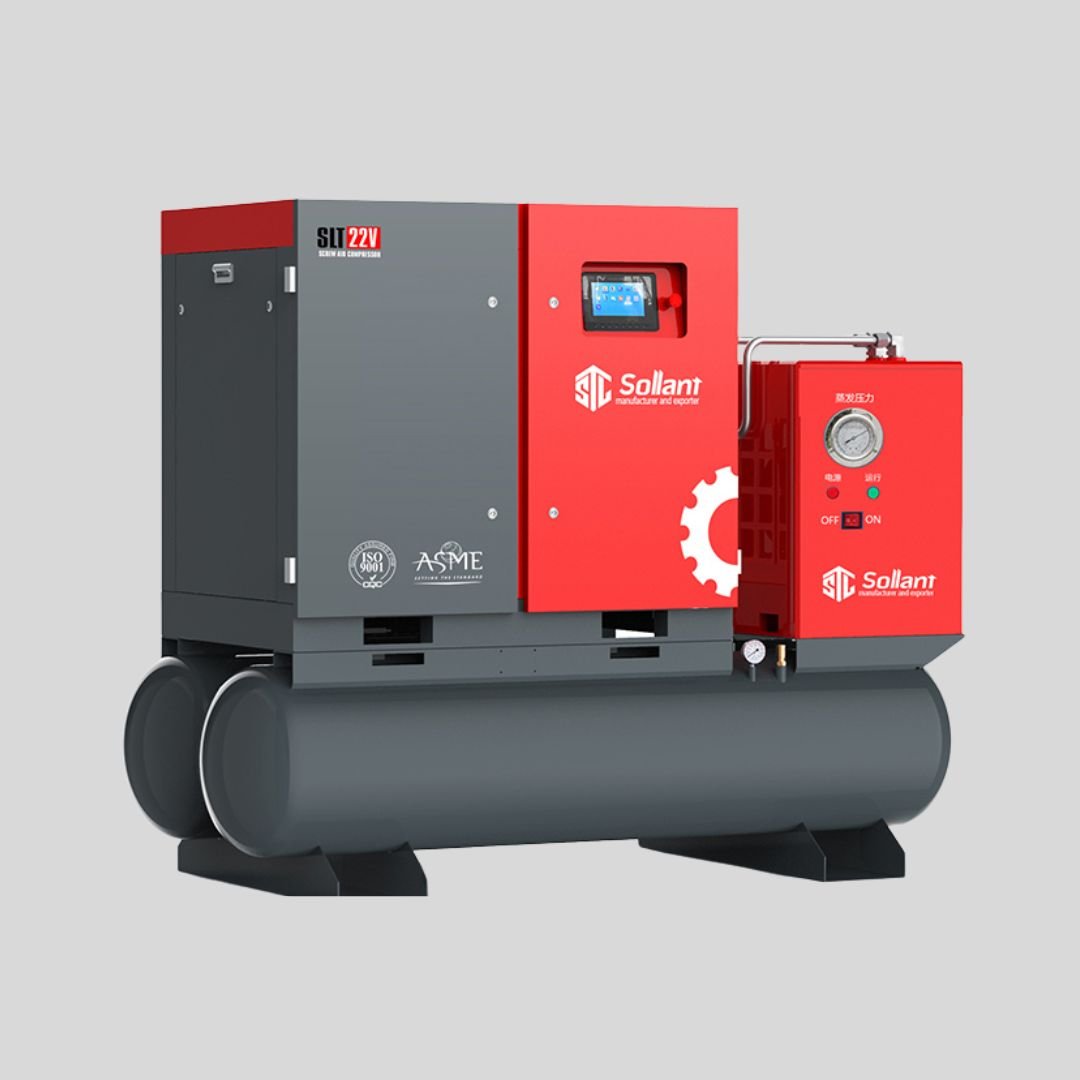
Twin Tank Mounted Air Compressor

Explore Our Client of
PT. Nissandi Kompresindo

Resources to keep you informed.

How to Reduce Energy Costs with an Efficient Air Compressor System

In today’s competitive industrial environment, controlling operational expenses is essential for maintaining profitability. One of the most effective ways to reduce energy consumption is by optimizing the performance of your compressed air system. Since air compressors can account for a significant portion of industrial electricity usage, improving air compressor energy efficiency can lead to substantial cost savings over time.

At PT. Nissandi Kompresindo, we understand the importance of maintaining efficient compressed air systems. Below are several key factors that can help businesses reduce energy costs while maximizing compressor performance.

1. Prevent Air Leaks in the Compressed Air System

Air leaks are among the most common causes of energy waste in industrial facilities. Even small leaks can result in a considerable loss of compressed air, forcing the compressor to work harder and consume more electricity.

Common areas where leaks occur include:

  • Pipe connections
  • Air hoses
  • Fittings and couplings
  • Valves and regulators
  • Pneumatic equipment

Regular inspections and immediate repairs can significantly improve system efficiency and reduce unnecessary energy consumption.

2. Avoid Excessive Operating Pressure

Many facilities operate their air compressors at higher pressures than actually required. While this may seem beneficial, excessive pressure increases power consumption and places additional stress on system components.

For every increase in operating pressure, the compressor requires more energy to produce compressed air. Reviewing your production requirements and setting the compressor to the appropriate pressure level can help lower electricity costs and extend equipment lifespan.

3. Implement a Preventive Maintenance Schedule

A well-planned preventive maintenance program is essential for ensuring optimal compressor performance. Neglecting routine maintenance can lead to reduced efficiency, unexpected breakdowns, and higher operating costs.

Preventive maintenance activities should include:

  • Checking oil levels and quality
  • Inspecting belts and hoses
  • Monitoring system pressure
  • Cleaning cooling components
  • Verifying proper compressor operation

Regular maintenance not only improves reliability but also helps maintain peak energy efficiency.

4. Replace Air Filters on Time

Dirty or clogged air filters restrict airflow and force the compressor to work harder to achieve the required pressure. This increased workload results in higher energy consumption and can negatively affect overall system performance.

Replacing air filters according to the manufacturer’s recommendations helps:

  • Improve airflow efficiency
  • Reduce energy usage
  • Protect internal compressor components
  • Maintain consistent air quality

A simple filter replacement can have a significant impact on the efficiency of your compressed air system.

5. Monitor Electricity Consumption Regularly

Monitoring energy usage is one of the most effective ways to identify inefficiencies within a compressed air system. By tracking electricity consumption, businesses can quickly detect unusual increases that may indicate leaks, pressure issues, or equipment problems.

Key metrics to monitor include:

  • Power consumption (kWh)
  • Operating hours
  • Air pressure levels
  • Compressor load and unload cycles

Implementing energy monitoring practices allows companies to make data-driven decisions that improve efficiency and reduce operational costs.

Conclusion

Improving air compressor energy efficiency is not only about reducing electricity bills—it is also about increasing equipment reliability, minimizing downtime, and extending the lifespan of critical industrial assets.

By preventing air leaks, optimizing operating pressure, following a preventive maintenance schedule, replacing filters regularly, and monitoring energy consumption, businesses can achieve significant long-term savings and improve overall operational performance.

PT. Nissandi Kompresindo is committed to providing reliable compressed air solutions, professional maintenance services, and technical support to help industries maximize efficiency and productivity.

PT. Nissandi Kompresindo – Reliable Compressed Air Solutions for Better Industrial Performance.

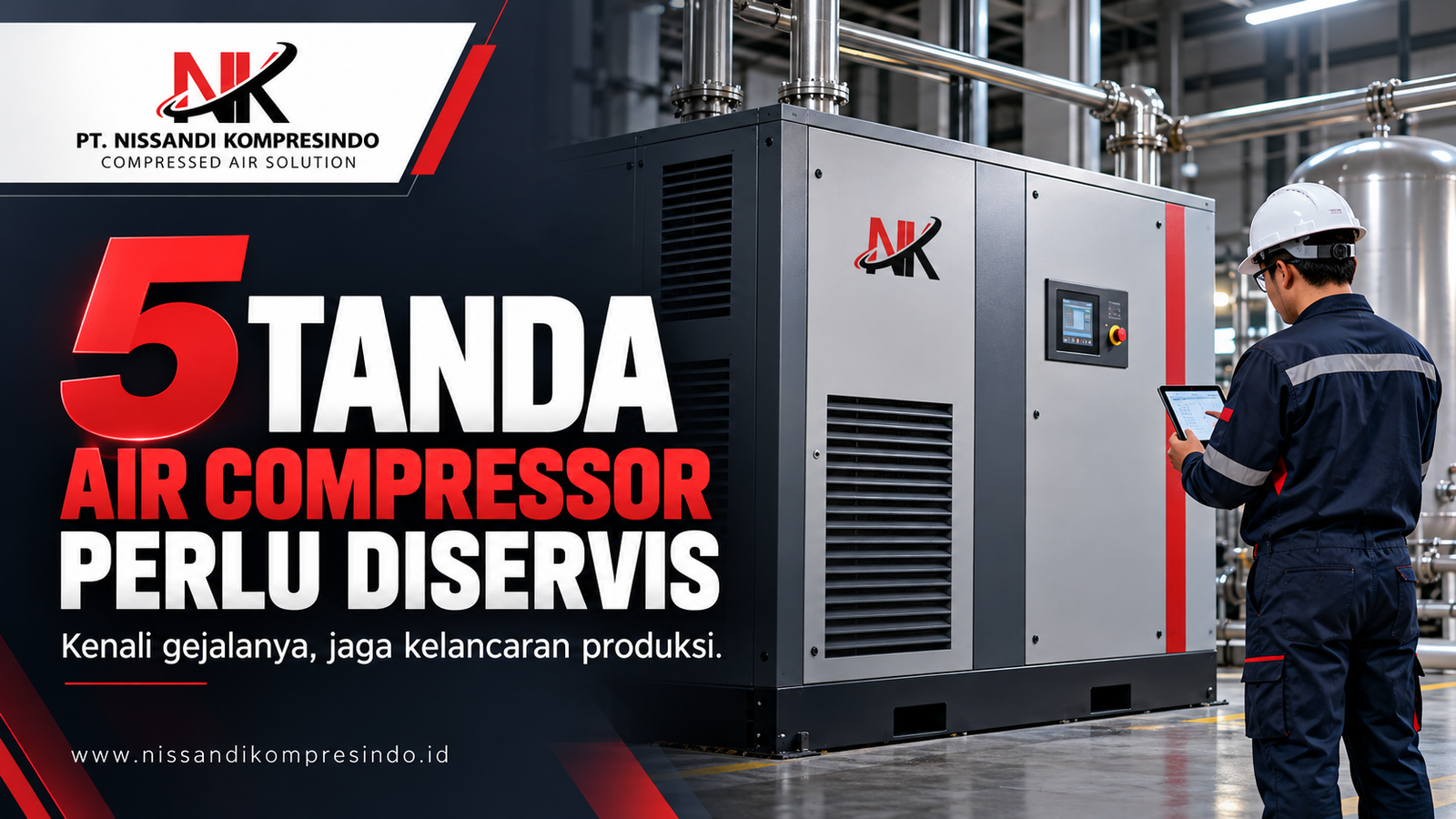
5 Signs Your Industrial Air Compressor Needs Immediate Maintenance

Industrial air compressors play a crucial role in maintaining productivity and operational efficiency in various industries. However, without proper maintenance, compressor systems can experience unexpected breakdowns that may disrupt production activities and increase operational costs.

Understanding the early warning signs of compressor problems can help companies prevent serious damage and extend equipment lifespan.

1. Unusual Noise During Operation

One of the most common signs of compressor issues is unusual noise. Loud knocking, rattling, or vibrating sounds may indicate loose components, worn bearings, or internal mechanical problems.

Routine inspection and servicing can help identify these issues before they become more severe.

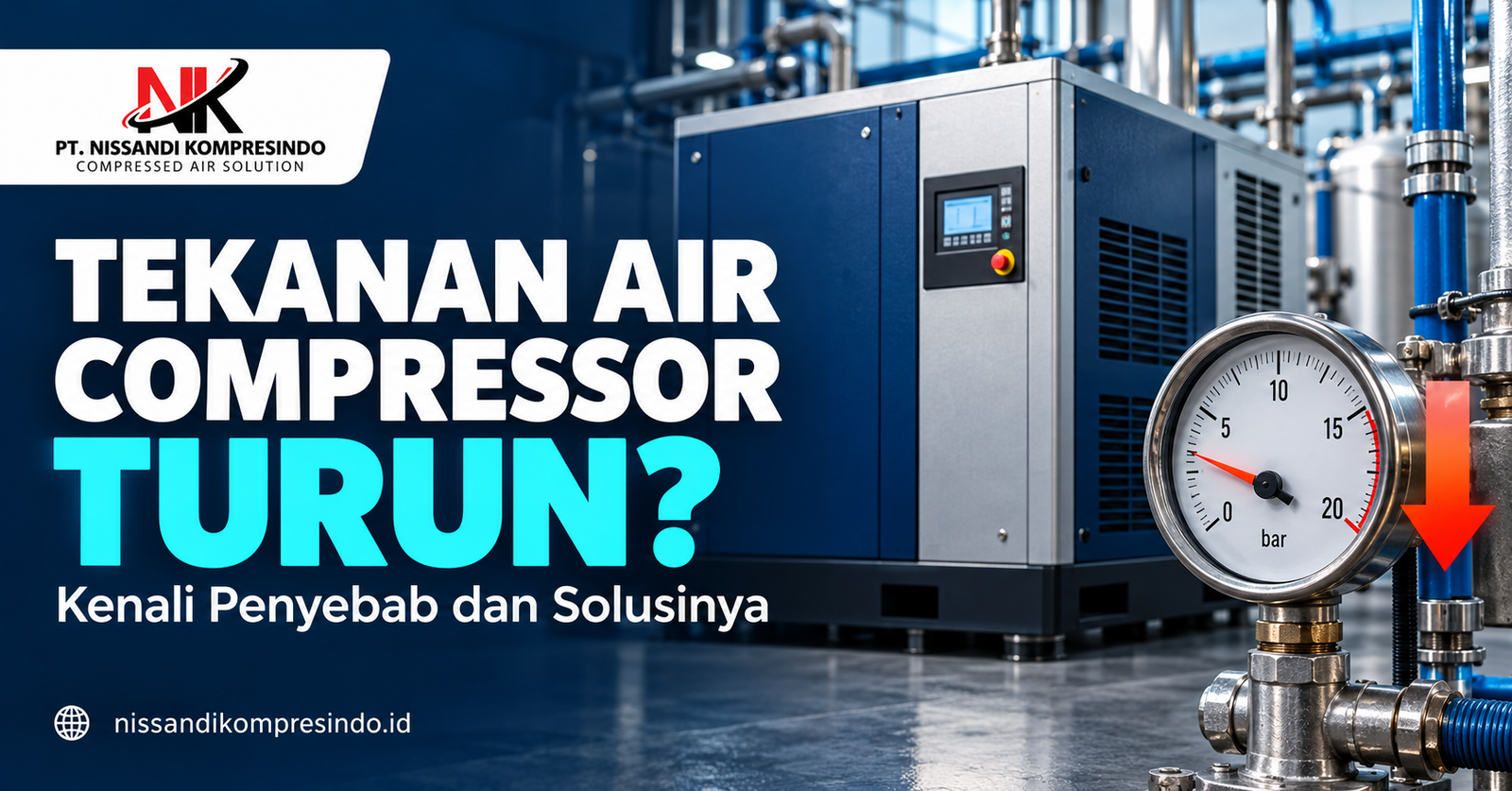
2. Decreased Air Pressure

If your compressor is unable to maintain stable air pressure, it may affect the performance of pneumatic equipment and production systems.

This condition is often caused by air leaks, clogged filters, or failing compressor components.

3. Increased Energy Consumption

A poorly maintained compressor typically consumes more electricity than usual. Dirty filters, oil contamination, and inefficient operation force the machine to work harder.

Regular preventive maintenance helps improve energy efficiency and reduce operational costs.

4. Excessive Moisture in the System

Moisture buildup in compressed air lines can damage equipment and affect product quality. This issue may occur due to malfunctioning dryers or inadequate maintenance procedures.

Checking the air treatment system regularly is essential for maintaining optimal compressor performance.

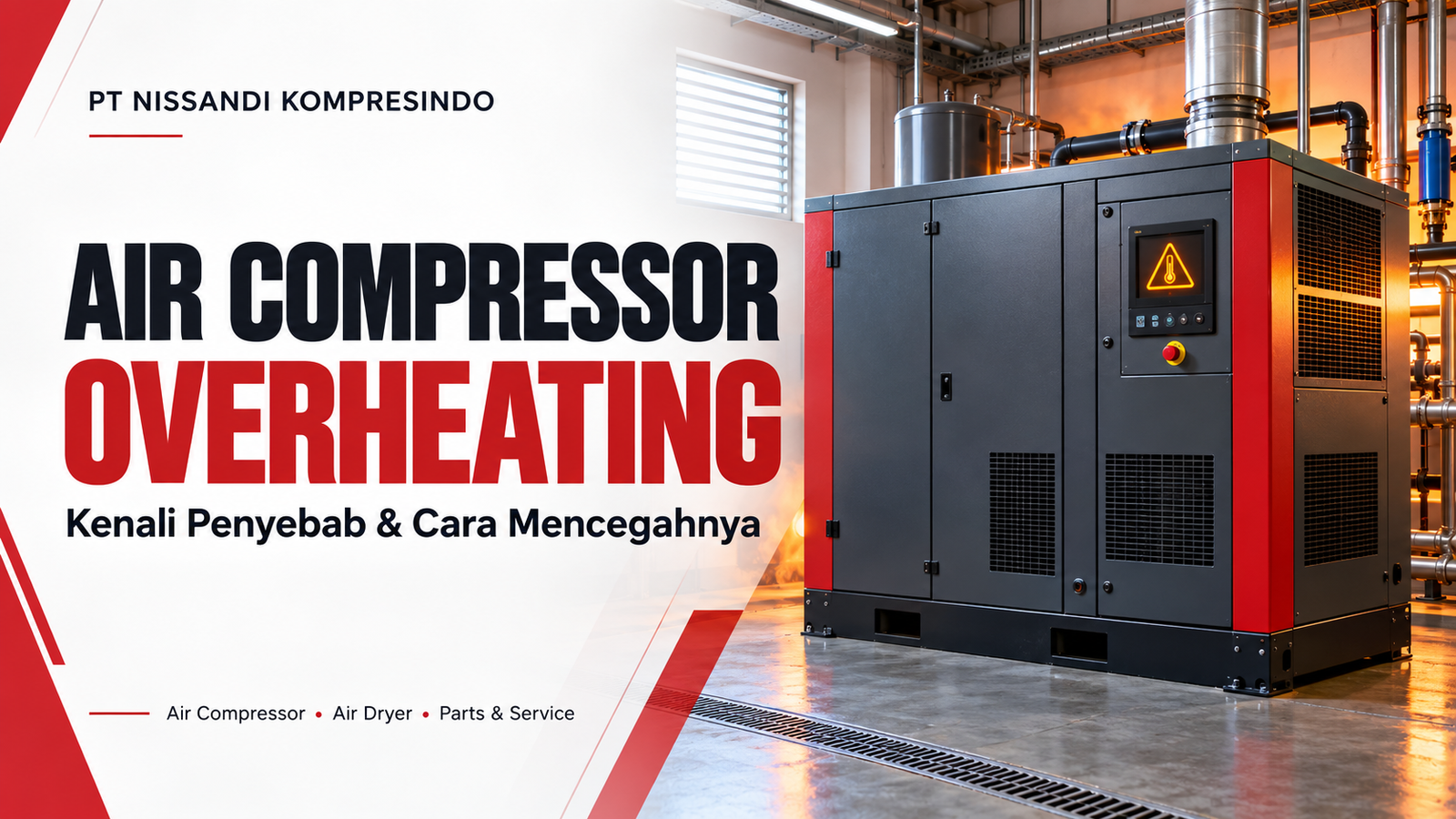
5. Frequent Overheating

Overheating is a serious warning sign that should never be ignored. Poor ventilation, dirty coolers, or insufficient lubrication can cause compressor temperatures to rise significantly.

Immediate maintenance is necessary to avoid permanent damage to the machine.

Conclusion

Preventive maintenance is essential to ensure industrial air compressors operate efficiently and reliably. By recognizing these warning signs early, companies can minimize downtime, improve productivity, and extend equipment lifespan.

PT. Nissandi Kompresindo provides professional air compressor maintenance, spare parts, and compressed air solutions for various industrial needs.

preventive maintenance industrial air compressor

Why Preventive Maintenance Is Important for Industrial Air Compressors

Industrial air compressors play an important role in supporting manufacturing and production activities across various industries. From automotive and food processing to construction and pharmaceuticals, a stable compressed air system is essential for maintaining productivity and operational efficiency.

However, many companies only perform repairs after a machine problem occurs. This reactive approach often leads to unexpected downtime, decreased productivity, and higher repair costs. That is why preventive maintenance is highly recommended for industrial air compressor systems.

What Is Preventive Maintenance?

Preventive maintenance is a routine inspection and servicing process performed regularly to keep the compressor operating in optimal condition. The purpose is to identify potential issues before they develop into serious damage that can interrupt production activities.

Routine maintenance usually includes checking air filters, oil levels, pressure systems, cooling systems, belts, hoses, and electrical components.

Benefits of Preventive Maintenance for Industrial Air Compressors

1. Reduce Unexpected Downtime

Unexpected compressor failure can stop an entire production line and cause significant operational losses. Regular maintenance helps detect worn components or abnormal system conditions early before they become major problems.

With scheduled inspections, companies can minimize production interruptions and maintain stable operational performance.

2. Extend Equipment Lifespan

Industrial air compressors are valuable long-term investments. Proper maintenance helps reduce excessive wear on critical components and ensures the machine operates within recommended parameters.

Routine servicing can significantly extend the lifespan of the compressor and delay costly equipment replacement.

3. Improve Energy Efficiency

A poorly maintained compressor often consumes more electricity due to clogged filters, air leaks, or unstable pressure systems. Since air compressors are among the largest energy-consuming equipment in industrial facilities, inefficiency can increase operational costs substantially.

Preventive maintenance helps maintain optimal performance and improve overall energy efficiency.

4. Maintain Stable Air Pressure

Consistent air pressure is critical for many industrial applications. Pressure fluctuations can affect production quality, machine performance, and pneumatic equipment reliability.

Routine maintenance ensures the compressor system can deliver stable and reliable compressed air according to operational requirements.

5. Reduce Major Repair Costs

Small issues such as dirty filters or loose connections may seem insignificant at first, but if ignored, they can lead to serious mechanical failures.

Preventive maintenance helps identify minor problems early, reducing the risk of expensive emergency repairs and component replacement.

Common Maintenance Activities

Some common preventive maintenance procedures for industrial air compressors include:

  • Cleaning or replacing air filters
  • Checking compressor oil levels and quality
  • Inspecting hoses and piping systems
  • Checking pressure and temperature levels
  • Inspecting electrical connections
  • Draining moisture from air tanks
  • Checking belts and motor conditions

These inspections should be performed regularly based on machine operating hours and manufacturer recommendations.

Why Professional Compressor Service Matters

Industrial compressor systems require proper technical knowledge and experience to ensure accurate inspection and maintenance procedures. Professional compressor technicians can help identify hidden issues, optimize system performance, and recommend suitable maintenance schedules for your operational needs.

Working with experienced compressor service providers also helps ensure your equipment remains reliable, efficient, and compliant with industrial safety standards.

Conclusion

Preventive maintenance is not only about avoiding machine breakdowns but also about protecting productivity, improving efficiency, and reducing long-term operational costs. Regular maintenance allows industrial air compressors to operate more reliably and efficiently while supporting uninterrupted production activities.

If your company relies heavily on compressed air systems, implementing a proper preventive maintenance program is a smart investment for long-term operational success.